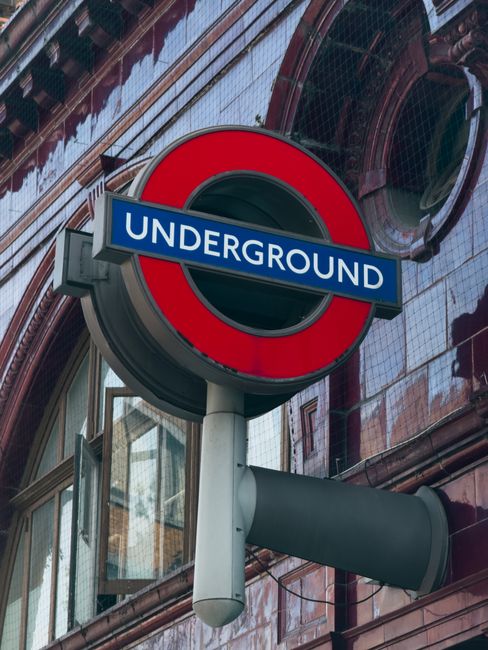
Removals near Stockwell tube station best drop off points

If you are planning a move close to Stockwell, the small details make a surprisingly big difference. The best drop off points for removals near Stockwell tube station are not just about convenience; they can decide how smooth the whole day feels, how long the van is parked, and whether your furniture gets carried in without a stressful scramble. In a busy London street, that matters more than people expect.
This guide explains how to choose sensible drop off points near Stockwell tube station, what to look for on moving day, and how to avoid the common access problems that can turn a simple move into a faff. You will also find practical step-by-step advice, a comparison table, and a checklist you can actually use. Let's keep it simple and useful.
- Why the right drop off point matters
- How removals near Stockwell tube station work
- Key benefits and practical advantages
- Who this is for and when it makes sense
- Step-by-step guidance
- Expert tips for better results
- Common mistakes to avoid
- Tools, resources and recommendations
- Law, compliance, standards and best practice
- Options and comparison table
- Real-world example
- Practical checklist
- Conclusion
- Frequently asked questions
Why Removals near Stockwell tube station best drop off points Matters
Stockwell is one of those places where the geography can look simple on a map and feel much less simple on the ground. You have main roads, side streets, buses, pedestrians, delivery traffic, and the usual London pressure for space. The "best drop off point" is rarely the nearest point on the map. It is the point that gives your removal team the cleanest run from van to property with the fewest obstacles.
Why does that matter so much? Because a good drop off point reduces carrying distance, avoids awkward corners, and lowers the chance of blocking traffic or drawing attention from wardens. On a wet Tuesday morning, or in that awkward early-evening rush when people are heading home, even a short extra walk can add noise, time, and a bit of frustration.
There is also the issue of building access. Some properties near Stockwell tube station are in converted flats, mansion blocks, or narrow terraces with stairs and tight communal entrances. In those cases, the drop off point needs to support the move, not just the van. That is the real point. The van is only half the story.
Expert summary: the best drop off point is the one that gives safe access, keeps the move efficient, and fits local parking conditions. Near Stockwell tube station, that usually means balancing walking distance, waiting restrictions, and loading space rather than chasing the closest kerb.
If you are arranging a flat move, a home move, or even an office relocation, the right access choice can save time and reduce damage risk. If you are unsure what your move needs, the broader removal services page is a useful place to understand the kinds of support available, while man with van suits lighter jobs where speed and flexibility matter most.
How Removals near Stockwell tube station best drop off points Works
Finding the right drop off point is a mix of planning, local awareness, and common sense. You start with the property itself, then work backwards to the van access. The question is not just "where can the van stop?" but "where can it stop without causing delays, complaints, or safety issues?"
In practical terms, the process usually looks like this:
- Check the building access. Identify whether the property faces a main road, a side road, a courtyard, or a narrow residential street.
- Measure the carry route. Even a short carry can become awkward if there are steps, bollards, steep kerbs, or a busy pavement.
- Look for a legal loading position. This may be a loading bay, a safe kerbside space, or a place where the van can pause briefly without obstructing traffic.
- Confirm the timing. Morning school runs, weekday commuter traffic, and lunch-hour deliveries all change what is realistic.
- Match the vehicle to the space. A smaller removal van or man and van setup may fit better on tighter Stockwell roads than a larger truck.
That is the core of it. Simple, but not always easy. A van parked five minutes closer can save twenty minutes of carrying and repositioning later. And yes, that kind of small win really adds up.
If your move includes furniture, fragile items, or awkward access, pairing the drop off point with the right service is sensible. For example, a staircase-heavy flat move may work better with flat removals, while a larger household move may be better suited to house removals or home moves.
Key Benefits and Practical Advantages
Choosing the best drop off point is not only about avoiding problems. It also gives you a few very real advantages on moving day.
- Less carrying distance. That means less fatigue, fewer slips, and fewer chances of scuffing walls or door frames.
- Faster loading and unloading. The team spends more time moving items and less time navigating awkward access.
- Lower disruption. A sensible stop point reduces the chance of blocking traffic or annoying neighbours.
- Better protection for belongings. Shorter, cleaner paths usually mean fewer knocks and drops.
- Improved schedule control. If the vehicle can stop where it should, the whole job tends to stay on time.
There is also a quieter benefit: peace of mind. Once the access is sorted, everything else feels less loaded. You can focus on boxes, keys, and the million small things that come with moving, rather than wondering where the van will actually stand.
For people moving with larger items, such as wardrobes, sofas, or specialist pieces, a carefully chosen drop off point is even more important. If you need help with awkward items, a service like furniture removals can make the difference between a tidy move and a very sweaty one. Truth be told, nobody wants to drag a mattress halfway round the block if they can help it.
Who This Is For and When It Makes Sense
This topic is relevant to more people than you might think. If you live, work, study, or manage property near Stockwell tube station, access planning is likely to matter.
It makes particular sense if you are:
- moving into or out of a flat with limited street access
- arranging a same-day move and need quick turnover
- relocating from a busy road near the station
- moving heavier furniture, including pianos or bulky appliances
- organising a small office relocation or commercial move
- a student shifting between term-time accommodation and storage
Students often underestimate access issues until the van arrives and the road is tighter than expected. If that sounds familiar, student removals are usually best planned with simplicity in mind: fewer trips, clear labelling, and a drop off point that avoids unnecessary backtracking.
Businesses face a different version of the same problem. For office moves, access can affect everything from laptop boxes to filing cabinets. A well-placed drop off point helps keep staff downtime lower, especially if you are working to a fixed handover window. In those cases, commercial moves or office removals are usually better suited to a more structured plan.
Step-by-Step Guidance
If you want the most practical way to approach removals near Stockwell tube station best drop off points, use this sequence. It is straightforward, but it saves a lot of guesswork.
- Walk the route before moving day. Stand outside the property and look at the pavement, kerb, width, turning space, and any obvious restrictions. It sounds basic, but people skip it all the time.
- Decide what kind of vehicle you need. A compact van may be enough for a studio or light flat move, while a larger vehicle suits a fuller household load. If you are not sure, compare a removal van with a larger moving truck option.
- Identify the safest stopping area. Look for a spot that avoids bends, junction mouths, dropped kerbs used by pedestrians, and places where the van would block residents or deliveries.
- Plan the carrying path. Door to van should be as direct as possible. Watch for narrow hallways, shared entrances, and internal stairs.
- Build a backup plan. If your preferred spot is taken, know the second-best option. That little bit of flexibility can rescue the whole morning.
- Confirm timing with the removals team. A good team will want to know if access is tight, if there is lift access, and whether there are any restrictions at the building or on the street.
A small practical note: if you are moving in bad weather, try to shorten the route between the van and the entrance as much as possible. Wet pavements, cardboard boxes, and glassware are not the best combination. Not exactly exciting, but very real.
Expert Tips for Better Results
Here are the kinds of details that make a move run smoother in the real world, especially around Stockwell where streets can get busy quickly.
- Choose the stop point based on carry time, not pride. A slightly less glamorous location is fine if it gives a safer route.
- Keep one person free to watch the van. When possible, having someone manage the loading zone helps avoid confusion.
- Use clear box labels. If the van needs to be moved or split into two drop offs, clear labels save time.
- Break down furniture before arrival. A dismantled bed frame is easier to carry if the route is tight.
- Book storage if the timing is messy. Sometimes the best drop off point is not the final home at all. If the keys do not line up, storage can be the sensible bridge.
One of the best tips, honestly, is to avoid overcomplicating the day. The more moving parts you have, the more likely somebody forgets a key, a loading note, or a parking detail. Simple wins.
If your move needs packing support, it is worth looking at packing and boxes or packing and unpacking services. Good packing makes access problems easier to handle because boxes stack better, travel better, and are quicker to unload.
Common Mistakes to Avoid
Most access issues are avoidable. The trouble is, people tend to assume the road will "sort itself out" on the day. It rarely does.
- Assuming the nearest kerb is the best kerb. Sometimes it is not. A legal, slightly farther spot can be better than a perfect-looking one that causes problems.
- Ignoring height and width restrictions. Low branches, tight turns, and narrow corners can affect van access more than expected.
- Forgetting building rules. Some blocks have loading windows, entry procedures, or quiet-hour expectations.
- Underestimating walking distance. Carrying a wardrobe up one flight of stairs is one thing. Carrying it from the wrong stop point is another story.
- Not planning for traffic flow. A van that cannot safely pull away after unloading can cause a chain reaction of delays.
- Choosing the wrong service type. A larger family move is not the same as a quick student shift. Matching the job to the service matters.
Another common mistake is leaving fragile items until the last minute. If you are moving artwork, mirrors, or a piano, the route from van to property needs extra care. That is where specialist help like piano removals can be worth every penny. A piano and a tight corner do not get along. They just don't.
Tools, Resources and Recommendations
You do not need fancy equipment to get the access decision right, but a few practical tools help a lot. Most of this is about observation and preparation rather than software or gadgets.
- A tape measure for checking doors, hallways, and furniture dimensions.
- A simple floor plan or room sketch so you know which items come out first.
- Sticky labels or marker pens for box organisation.
- House keys, entry codes, and contact numbers kept together in one place.
- Basic protective materials such as blankets, straps, and wraps.
If you want a more joined-up moving plan, it can help to browse the company's wider service pages. For example, removals gives a broad overview of moving support, while house removalists and house removals are useful if you are handling a full domestic relocation. For lighter loads, man with van can be a practical fit.
For customers who want reassurance before booking, the company's pricing and quotes page can help set expectations, while the insurance and safety page is worth checking if you are moving anything valuable or awkward. That kind of confidence matters.
Law, Compliance, Standards, or Best Practice
When a removal vehicle is stopping near a busy station area, legal and practical compliance both matter. You do not need to be a transport expert to get this right, but you do need to be careful.
In London, parking and loading restrictions can change by street, time of day, and local signage. So the safe approach is always to assume that a sensible-looking stop is not automatically allowed. Check the signs on the day, keep the loading window short where possible, and avoid obstructing traffic, crossings, or driveways.
From a best-practice point of view, removal teams should also think about:
- safe manual handling
- clear communication with the client
- protecting property and shared areas
- keeping access routes free from trip hazards
- respecting neighbours and building rules
It is also sensible to use a company that treats safety and security seriously. Pages such as health and safety policy and payment and security show that the business takes both operational care and customer trust seriously. If you care about sustainability too, the recycling and sustainability page is helpful background.
For the customer, the main rule is simple: make the route safe, legal, and clear. That is the standard that matters on moving day.
Options, Methods, or Comparison Table
Not every move needs the same kind of drop off point. Here is a straightforward comparison to help you decide what is likely to work best.
| Option | Best for | Pros | Watch-outs |
|---|---|---|---|
| Kerbside loading near the entrance | Short flat moves and quick unloads | Fast, simple, less carrying | May be restricted or blocked at busy times |
| Side-street drop off | Properties with limited frontage | Can reduce congestion and give safer access | Longer carry if the entrance is far away |
| Small van stop point | Flats, student moves, lighter loads | More flexible on tight streets | May need more trips for larger moves |
| Large truck stop point | Full house or commercial moves | Higher capacity, fewer journeys | Needs more planning, turning space, and access room |
The right choice depends on the job, the street, and the weather. Yes, weather. A dry summer move feels very different from a dark, drizzly winter one, especially when boxes are being carried over a few metres of uneven pavement. Practical details count.
Case Study or Real-World Example
A typical Stockwell move might involve a one-bedroom flat a short walk from the station, with the entrance facing a fairly busy street and no easy private parking. The resident has a sofa, a bed, six to eight boxes, and a few kitchen items. Nothing outrageous. But access is the whole game.
Instead of aiming for the closest possible point, the removals team chooses a safer drop off position on a side section of road with enough room to stop briefly and unload in order. The sofa comes out first, followed by the mattress and boxes. Because the stop point reduces the carry route, the team avoids multiple awkward turns through a crowded pavement area. A neighbour passes by. Someone opens a window. All normal London life, really.
In a slightly different version of the same job, the resident has not yet received keys to the new place. The move would be messy if everything had to happen in one go, so part of the load goes into storage first. That is where storage becomes the smart bridge rather than a last-minute panic.
The lesson is simple: the "best" drop off point is the one that matches the property and the timing. It does not have to be perfect. It just has to be sensible.
Practical Checklist
Use this checklist the day before and again on the morning of the move.
- Confirm the move date, arrival time, and contact number.
- Check whether the street has loading or waiting restrictions.
- Walk the access route from van to front door.
- Identify the safest drop off point and a backup option.
- Make sure keys, entry codes, and building instructions are ready.
- Measure any awkward furniture or doorways.
- Pack fragile items securely and label them clearly.
- Keep hallways, stairs, and entrances clear.
- Tell neighbours or building management if that is required.
- Have a plan for items that cannot go straight into the new property.
If you are still at the quoting stage, it is worth checking the company background too. The about us page can help you understand who you are dealing with, and the terms and conditions page is a good habit to review before booking. Small print is boring, yes, but boring can save you a headache later.
Get a free quote today and see how much you can save.
Conclusion
When people search for removals near Stockwell tube station best drop off points, what they usually want is not a perfect map pin. They want a move that feels manageable. A clear route. A van that can actually stop where it should. A plan that keeps the day moving without unnecessary drama.
The good news is that most access problems can be solved with a bit of advance thought. Pick the safest legal stop, match the vehicle to the job, keep the carrying route short, and prepare for the quirks of a busy London street. That is usually enough to turn a stressful move into a fairly smooth one.
And if the day still feels a bit full-on, that is normal. Moving is one of those life admin moments that looks easier from the outside. Take it step by step, and keep the next right thing in front of you.
Frequently Asked Questions
What is the best drop off point near Stockwell tube station for removals?
The best drop off point is usually the closest legal and safe stopping space that keeps the walk to the property short. In practice, that may be a side street, loading bay, or kerbside space that avoids traffic and gives the removals team room to work.
Do I need a small van or a larger truck near Stockwell?
It depends on the size of the move and the access. A smaller van is often easier around tighter streets and flats, while a larger truck suits fuller house or office moves. The best choice is the one that fits both the load and the road.
Are there parking restrictions around Stockwell tube station?
There can be, but the exact rules vary by street and time. You should always check the signs at the location on the day of the move. Do not assume a space is okay just because it looks convenient.
How far can items reasonably be carried from the van?
Shorter is always better, especially for bulky furniture or fragile items. A carry that looks fine for a couple of boxes can become tiring fast when you are moving a sofa, wardrobe, or stack of heavy bags.
What if the best drop off point is already occupied?
Have a backup plan. In busy London areas, that is not unusual. A good moving team will often be able to use a second-best location and still keep the job moving safely.
Can removals work well for flats near the station?
Yes, but flat moves usually need a little extra planning. Stairs, shared entrances, lifts, and narrow corridors all affect the access strategy. Services such as flat removals are designed with that kind of setup in mind.
What should I do if my new home is not ready yet?
If the keys, timing, or handover do not line up, storage can be a useful temporary solution. It is much better than rushing the wrong drop off and turning the day into a scramble.
Is same-day removal possible near Stockwell?
Sometimes, yes, if the job is straightforward and the team has availability. For urgent situations, same-day removals may be the right fit, but access planning still matters just as much as speed.
How do I reduce the risk of damage during unloading?
Use a clear route, protect furniture, label boxes well, and choose a stop point that shortens the carry. The less twisting, turning, and rushing you do, the safer the move tends to be.
Should I book packing help as well?
If you have fragile, awkward, or high-volume items, yes, it can be worth it. Packing support makes loading faster and helps the team work more confidently once they reach the drop off point.
What makes a removals company trustworthy for a Stockwell move?
Look for clear communication, sensible planning, and visible attention to safety, insurance, and customer terms. Pages like insurance and safety and pricing and quotes are helpful signs that the company thinks beyond the van itself.
Can I use a man and van service for a move near Stockwell tube station?
Yes, especially for smaller homes, student moves, or lighter loads. A man with a van service is often ideal when flexibility and quick access matter more than vehicle size.
Where should I start if I want help planning my move?
Start with the property, the street, and the load. Then choose the right level of support. If you want a fuller overview of the moving options available, removals is a good place to begin, and contact us can help if you want to talk through the details.