Stockwell removals guide Stockwell Road and SW9 moves
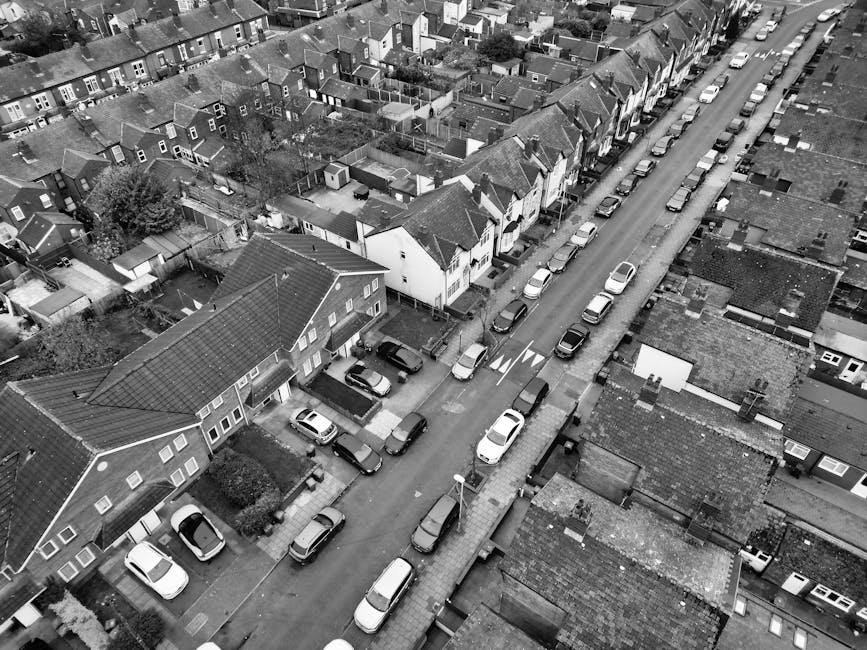
If you are planning a move around Stockwell Road or anywhere in SW9, the details matter more than people expect. Parking can be tight, stairwells can be awkward, and a move that sounds simple on paper can turn into a long day if the plan is thin. This Stockwell removals guide Stockwell Road and SW9 moves is designed to help you think through the practical side properly, from access and packing to timing, van size, and the kind of service that fits your situation.
Whether you are moving from a top-floor flat, relocating a small office, or just shifting a few bulky items across the neighbourhood, the best result usually comes from clear preparation and realistic expectations. Let's face it, the moving day itself is already busy enough. The calmer you are beforehand, the smoother it tends to go.
Expert summary: In Stockwell, the winning formula is usually simple: check access early, match the vehicle to the job, pack by room, and leave a little time buffer for loading, traffic, and those inevitable last-minute surprises.
Why Stockwell removals guide Stockwell Road and SW9 moves Matters
Stockwell sits in that very London category where distances may be short but the logistics are not. A move from one side of SW9 to another may only take minutes by road, yet the real challenges often come from access, timing, loading space, and building rules. That is why a focused local guide is useful: it helps you avoid treating the move like a generic "just turn up with a van" job.
Stockwell Road in particular can be a mixed bag. Depending on the time of day, traffic can be stop-start, pavement space can be limited, and the best parking spot may be the one you can actually use for long enough to load safely. If you are moving into a flat or maisonette, the difference between a planned move and an improvised one is huge. A move that starts with good information usually ends with fewer headaches. Simple, but true.
This matters for households, students, landlords, and small businesses alike. It also matters if you are only moving a few items. A sofa does not care that the journey is short; it still needs handling, protection, and a clear route through tight corners. The same goes for pianos, wardrobes, and office desks. Short local moves can be deceptively tricky.
If you want a broader view of the services often used on these jobs, it can help to look at removal services, man and van support, or more complete home moves for larger households.
How Stockwell removals guide Stockwell Road and SW9 moves Works
A successful local move normally follows a simple pattern: assess the property, decide what is moving, choose the right vehicle and crew size, then plan the order of loading and unloading. The process sounds obvious, but the details are where people either save time or lose it.
First, the mover will usually want to know what type of property you are leaving and where you are going. A basement flat with narrow steps is very different from a ground-floor office with direct street access. Then comes the inventory. That does not have to be a formal spreadsheet, but it should be good enough to identify large furniture, fragile items, boxes, and anything awkward or heavy.
For SW9 moves, vehicle choice matters. A smaller removal van can be ideal for a compact flat or student move, while a larger moving truck may suit a full house or office relocation. The right choice helps reduce trips and keeps costs under control. Too small, and you waste time. Too big, and you may be paying for space you do not need.
In practical terms, the day often runs like this:
- Arrival and quick check of access, parking, and item list.
- Protection of fragile furniture, corners, and floors where needed.
- Loading in a sensible order, usually heavy items first.
- Transport through Stockwell Road or surrounding streets.
- Unloading room by room so the new place is usable faster.
That is the basic structure, but good removals teams also stay flexible. If a lift is out of order or a permit bay is already occupied, the plan shifts. Not dramatically, just intelligently. You want that flexibility built in from the start.
Key Benefits and Practical Advantages
There are a few reasons people prefer a structured local removals plan over a last-minute arrangement. The first is obvious: less stress. But there are other benefits that are easy to miss when you are focused on the boxes everywhere and the kettle packed in the wrong crate.
- Better time control: a clear plan reduces wasted time waiting for space, keys, or missing items.
- Lower risk of damage: proper wrapping and loading order protect furniture and walls.
- Smarter vehicle matching: you avoid paying for the wrong size of van or truck.
- Less physical strain: heavy lifting is managed more safely and efficiently.
- More predictable costs: when the scope is clear, quotes are usually easier to understand.
Another practical advantage is speed of settling in. A move that is unpacked room by room means you can find essentials on day one. You know where the bedding is. The mugs are where they should be. The Wi-Fi router, hopefully, is not buried under winter coats. Those small things make the whole day feel less chaotic.
For people who need packing help, packing and boxes and packing and unpacking services can remove a lot of pressure, especially if work or family life leaves little spare time.
Who This Is For and When It Makes Sense
This guide is useful for a wide range of movers, but it especially suits people in the following situations:
- Tenants moving between flats in SW9 or nearby streets
- Homeowners relocating within South London
- Students moving in or out near transport links
- Small businesses shifting offices or stock
- Anyone moving bulky furniture through narrow entrances or stairs
- People who need same-day or short-notice assistance
It also makes sense if you are comparing different levels of support. Maybe you do not need a full-service team. Maybe you only need a driver, loader, and enough muscle to get the job done in one run. In that case, a man with van option may suit. If your move is more involved, a fuller house removals service could be the better fit.
Truth be told, the best fit is often the one that matches reality, not ambition. People sometimes say, "It's only a few things," and then you discover a king-size bed, three bookcases, a bike, and a box of cables nobody can explain. Happens all the time.
Step-by-Step Guidance
Here is a practical way to approach a Stockwell or SW9 move without overcomplicating it.
1. Confirm what is moving
Write down the large items first. Beds, wardrobes, sofas, white goods, desks, and anything fragile or unusually shaped. Then count the boxes. If you are not sure, overestimate slightly. It is better to say "maybe twenty boxes" than to discover thirty-two on the day.
2. Check access at both addresses
Look at staircases, lift access, doorway widths, hallway turns, and where a vehicle could stop. If your building has controlled entry or timed access, note it early. One stuck lift can change the whole mood of the day, so it is worth checking.
3. Decide on the right service level
A smaller move may only need a man and van arrangement, while larger jobs may need full support from experienced removal companies. If you are moving a business, commercial moves usually need a different plan again, with attention to equipment, files, and downtime.
4. Book packing materials and start early
Good packing is not glamorous, but it is the backbone of the move. Boxes should be consistent in size where possible, with heavier items packed in smaller boxes. Label each box by room and contents. A small label on the side saves a lot of rummaging later.
5. Protect the awkward items
Mirrors, lamps, monitors, and delicate furniture need extra care. For fragile or high-value items, the team should think in terms of protection first, movement second. That is where experience shows. If you have a piano or similar heavy specialty item, piano removals should be considered rather than assuming standard lifting will do.
6. Prepare for the move-out and move-in window
If keys are being handed over, build in a buffer. London handovers can be a little unpredictable. A short delay is not unusual. A calm buffer means the team can keep working without everyone getting tense by half past ten.
7. Unload strategically
At the new address, place items in the right rooms first and worry about fine organisation later. Beds, fridge, table, and essentials first. Decorative items and spare storage can wait. There is no award for unpacking the guest cushions on minute one.
Expert Tips for Better Results
A few practical habits make a noticeable difference in Stockwell and across SW9.
- Book earlier for Friday and weekend moves. These slots are popular and tend to be less forgiving if access is tight.
- Measure before moving furniture. A sofa that fits in the old flat may not fit through the new stair bend. That old chestnut.
- Keep one essentials bag separate. Chargers, documents, toiletries, snacks, kettle, mugs, and any medication should be easy to reach.
- Take photos of cable setups. This saves time if you need to reconnect a desk or TV later.
- Use a colour or room system for labels. It sounds small, but it speeds up unloading.
- Ask about storage if dates do not line up. A short gap between homes is more common than people think, and storage can bridge that neatly.
Also, do not be shy about asking practical questions before moving day. What time will the vehicle arrive? How many people will be on the job? What happens if access is poor? Those are sensible questions, not awkward ones. A reputable team should welcome them.
Common Mistakes to Avoid
Most moving problems are preventable. Not all of them, of course. There is always one surprise drawer full of random screws waiting to derail the best plan. But a lot of issues can be avoided with decent preparation.
- Underestimating the volume: people often forget loft items, cupboard contents, and storage boxes.
- Leaving packing too late: last-minute packing usually leads to poor labelling and damaged items.
- Ignoring parking constraints: especially around narrow streets and busier stretches of Stockwell Road.
- Choosing the wrong vehicle: too small means extra trips, too large can be inefficient.
- Not warning about heavy or awkward items: if it is heavy, say so early. Nobody likes a surprise cast-iron bench.
- Forgetting building rules: lift booking, access times, and loading restrictions can all matter.
The other classic mistake is assuming that a local move needs no planning because it is local. That is exactly how people get caught out. The distance may be short, but the effort is still real.
Tools, Resources and Recommendations
You do not need a fancy toolkit for a move, but a few basics help a lot. Keep things simple and practical.
- Strong tape and marker pens: for sealing and labelling boxes.
- Furniture covers or blankets: useful for protecting corners, doors, and soft furnishings.
- Basic strap or tie-down equipment: helps keep items steady in transit.
- Measuring tape: for checking doorways, hallways, and furniture dimensions.
- Phone notes or a moving checklist: ideal for tracking tasks, keys, and contacts.
If your move is more complex, it is worth looking at a provider's broader support options. For example, furniture removals is useful when large items need extra handling, while student removals can be a better match for smaller, time-sensitive moves around term dates. For business relocations, office removals or dedicated office relocation services may be more appropriate.
If you want to understand how pricing is typically handled, pricing and quotes is a sensible starting point. It helps set expectations before the moving day pressure kicks in.
Law, Compliance, Standards and Best Practice
For most household moves, the main compliance concerns are practical rather than dramatic. The key is to work with a service that takes safety, insurance, and handling standards seriously. That includes safe lifting practices, suitable vehicle condition, and clear communication about what is included.
In the UK, it is wise to expect a removals provider to be clear about liability, item handling, and any limits on what they can safely transport. If you are moving something fragile, high-value, or unusually heavy, that should be discussed before the day. No guesswork. The same applies to access risks such as stairs, tight corners, or difficult parking.
You may also want reassurance around security and trust. It is reasonable to review the company's insurance and safety approach, as well as its general operational policies. For matters such as cancellations, service expectations, and payment terms, the relevant terms and conditions should be clear and easy to understand.
Some customers also value how a business handles wider responsibilities. Pages such as recycling and sustainability, about us, and health and safety policy can help you judge whether the operation feels organised and responsible. That matters. A lot, actually.
Options, Methods and Comparison Table
Not every move in Stockwell needs the same level of support. Here is a simple comparison to help you choose a sensible route.
| Move type | Best suited to | Strengths | Watch-outs |
|---|---|---|---|
| Man and van | Small flats, a few bulky items, short-distance moves | Flexible, often efficient, easy for local jobs | May not suit large households or complex access |
| Full house removals | Families, multi-room homes, larger loads | More manpower, better for heavy or numerous items | May require more planning and coordination |
| Flat removals | Flats with stairs, lifts, or limited access | Built around apartment access challenges | Need to confirm building rules and parking early |
| Same-day removals | Urgent changes, missed deadlines, sudden availability | Fast response when timing is tight | Less flexible if the load is large or access is poor |
| Storage-supported move | Gap between properties or delayed handover | Reduces pressure when dates do not align | Needs extra coordination and budgeting |
If your move is really small, a removal van may be all you need. If you need faster turnaround or a last-minute arrangement, same-day removals can be a lifesaver, provided the scope is realistic.
Case Study or Real-World Example
Here is a realistic example from the kind of move people in SW9 often make. A couple moves from a second-floor flat near Stockwell Road to another flat a short distance away. On paper, it sounds straightforward. In practice, the old building has a narrow stairwell, the new place requires a timed lift booking, and the parking space outside is not guaranteed.
What makes the difference? They start early. They label boxes by room, confirm access at both ends, and set aside a separate bag with chargers, tea, snacks, and paperwork. Their sofa is measured before moving day, and they warn the team about a heavy bookcase and a mirror that needs care.
The result is not magical. It is just organised. Loading takes a bit longer than expected because of the stairs, but the job stays calm because nobody is improvising under pressure. By early evening, the essentials are in place and the couple can sit down with a cup of tea instead of hunting for the kettle. That is the sort of move people remember positively. Not because it was flawless, but because it was manageable.
If that sounds like the kind of help you need, a structured service such as flat removals or house removalists may be a better fit than a purely ad hoc booking.
Practical Checklist
Use this checklist in the days before your move. Print it, copy it into your phone, or scribble it on the back of an envelope. Honestly, whichever is easiest.
- Confirm moving date, time, and access at both addresses
- Check whether parking or loading restrictions apply
- Measure large furniture and difficult doorways
- Book the right vehicle size and crew level
- Gather packing materials and tape
- Label boxes by room and priority
- Pack an essentials bag for the first night
- Protect fragile items and dismantle furniture where needed
- Arrange storage if the dates do not line up
- Keep payment, ID, and key handover details handy
Quick takeaway: the smoother Stockwell and SW9 moves are usually the ones that look boring on paper. Clear notes, good labels, sensible vehicle choice, and one calm plan. That is the real trick.
Get a free quote today and see how much you can save.
Conclusion
A move around Stockwell Road or anywhere in SW9 does not need to feel like a scramble. With the right planning, a realistic service choice, and a bit of local awareness, you can turn a stressful day into a controlled one. The key is not perfection. It is preparation, steady communication, and choosing support that fits the job rather than the other way around.
Whether you are shifting a flat, a family home, student belongings, or an office setup, the practical rules stay much the same: check the access, pack well, choose the right vehicle, and make room for the unexpected. That is life in London, after all. Busy streets, small margins, and a lot to juggle.
If you keep the process simple and sensible, the move becomes much easier to live through. And on the other side of it, there is that lovely moment when the key is in the door and the first box is down. Relief. Proper relief.
Frequently Asked Questions
What should I know before booking a Stockwell removals service?
Start with access, property type, and load size. In Stockwell and SW9, parking and stairs often affect timing more than people expect, so those details should be shared early.
Is a man and van service enough for a short move on Stockwell Road?
Sometimes, yes. If you have a small flat load or a few bulky items, a man and van option can be sensible. For larger homes, it may be too light.
How far in advance should I book my move?
As early as you can, especially for weekend dates or month-end moves. If your schedule is flexible, that helps. If not, book once your dates are firm so the right vehicle and crew can be reserved.
Do I need to pack everything myself?
Not always. Some people prefer to pack their own belongings, while others use packing and unpacking services to save time and reduce stress. It depends on your budget and schedule.
What if my new place is not ready on the same day?
That is where storage can be useful. It gives you breathing room if handover dates do not line up or if work on the new place runs over.
How do I know what size van I need?
List your furniture and box count, then describe access conditions. A small flat move may suit a removal van, while a larger family move may require something bigger.
Are office moves handled differently from home moves?
Yes. Office removals usually need more attention to equipment, files, downtime, and co-ordination. They are not simply a house move with desks instead of sofas.
What items need extra care during a local move?
Fragile glass, mirrors, electronics, artwork, and heavy specialist pieces like pianos need additional planning. If in doubt, mention them clearly before the move day.
How can I keep moving day less stressful?
Label boxes, keep essentials separate, confirm parking and access, and avoid packing at the last minute. A little structure goes a long way. Honestly, it really does.
Should I get a quote even for a small SW9 move?
Yes. A clear quote helps you compare service levels and avoid surprises. It also makes it easier to decide whether a light move, a full removals service, or something in between is the right choice.
What if I only need help with a few large items?
Then furniture-specific support may be the best route. Services such as furniture removals or furniture pick up can be more practical than booking a full household move.
Where can I learn more about the company behind the service?
You can review the company's background and service approach on the about us page, and if you have specific questions, the contact us page is there for direct enquiries.